Unlocking Creativity: The Power of 1000 Prompts for Kids
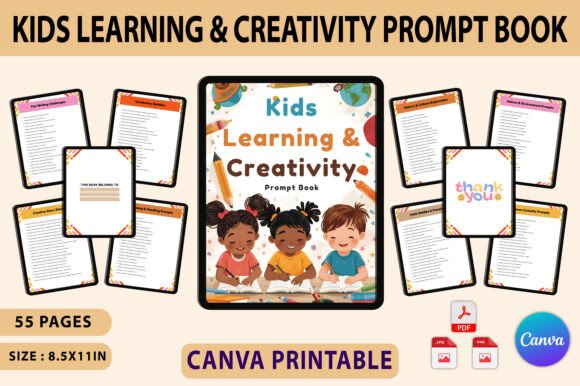
In a world that often prioritizes structured learning and standardized outcomes, the importance of creativity and imagination cannot be overstated. For children, these qualities are not just beneficial—they are essential. 🔥 1000 Prompts for Kids is a unique resource designed to nurture and develop these vital skills in young minds. This comprehensive prompt book offers more than just activities; it provides a gateway to unbounded creativity, encouraging kids to explore their thoughts, ideas, and passions through writing, drawing, and storytelling.
Fostering Imagination Through Engaging Prompts
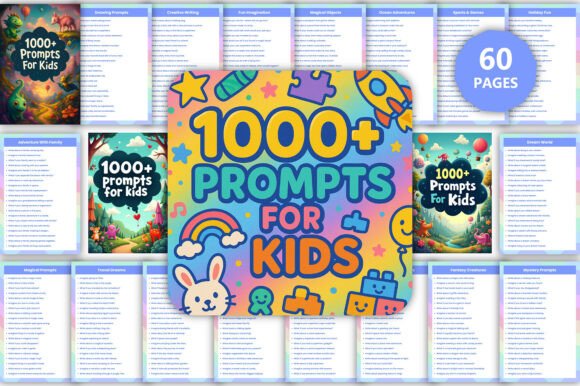
The core of 🔥 1000 Prompts for Kids lies in its diverse array of prompts, each crafted to spark curiosity and inspire imaginative thinking. With over 1000 fun and engaging questions, challenges, and what-if scenarios, this book covers a wide range of themes such as fantasy, animals, travel, food, dreams, space, mystery, holidays, fairy tales, and superheroes. These prompts are not just random ideas—they are carefully selected to encourage children to think critically, express themselves, and explore new perspectives.
For instance, a prompt like “What if your pet could talk?” might lead a child to create a story about their dog sharing secrets or helping solve a mystery. Another prompt, such as “Draw a superhero with a unique power,” can inspire both artistic expression and narrative development. By providing a variety of prompts, the book ensures that there is something for every child’s interests and talents, making it an ideal tool for fostering creativity across different age groups.
Building Storytelling and Writing Skills
Storytelling is a fundamental skill that helps children develop language, comprehension, and communication abilities. 🔥 1000 Prompts for Kids includes a mix of writing prompts that challenge children to craft narratives, describe scenes, and create characters. These prompts are designed to be accessible yet thought-provoking, allowing kids to build confidence in their writing while also expanding their vocabulary and sentence structure.
One example of a writing prompt is “Write about a day in the life of a robot.” This prompt encourages children to imagine a world where technology and creativity intersect, prompting them to think about how robots might behave, interact, and even feel. Such exercises not only enhance writing skills but also promote critical thinking and problem-solving abilities.
Encouraging Artistic Expression Through Drawing
Art is another powerful medium for self-expression, and 🔥 1000 Prompts for Kids recognizes this by including a wealth of drawing prompts that inspire visual creativity. Whether it's sketching a dragon, designing a futuristic city, or illustrating a dream, these prompts provide endless opportunities for children to explore their artistic talents.
For example, a prompt like “Draw a talking donut” might lead to a whimsical illustration that blends humor with creativity. Other prompts encourage children to think about color, composition, and perspective, helping them develop a deeper understanding of visual arts. These drawing activities are not only enjoyable but also serve as a valuable outlet for emotional expression and cognitive development.
Supporting Homeschooling and Classroom Learning
🔥 1000 Prompts for Kids is a versatile resource that can be used in various educational settings, including homeschooling and classroom environments. Its flexibility makes it an excellent addition to any curriculum focused on creative development, early childhood education, or enrichment programs.
For homeschoolers, the book offers a structured yet flexible approach to teaching creativity, allowing parents to incorporate prompts into daily lessons or use them as part of a broader learning plan. In classrooms, teachers can use the prompts as part of group activities, individual projects, or as a tool for assessing students’ creative thinking and problem-solving skills.
Additionally, the book includes bonus lined pages, providing ample space for children to write their own stories, doodles, or inspired ideas. This feature ensures that the book is not just a collection of prompts but a complete creative toolkit that supports both independent and collaborative learning.
Design for All Ages and Interests
Designed for children aged 5 to 12, 🔥 1000 Prompts for Kids caters to a wide range of developmental stages and interests. The prompts are tailored to be age-appropriate, ensuring that they are challenging enough to stimulate growth but not so complex that they become overwhelming.
Whether a child is interested in space, animals, or fantasy, there is a prompt that will resonate with their curiosity. The book’s inclusive approach ensures that all children—regardless of their background or level of experience—can find something that speaks to them. This inclusivity is crucial in fostering a love for creativity and learning from an early age.
Practical Use Cases and Benefits
The practical applications of 🔥 1000 Prompts for Kids extend beyond the classroom and home. Parents can use the book during quiet time, as a bedtime story activity, or as a way to engage children in meaningful conversations. Educators can integrate the prompts into lesson plans, creative play sessions, or as part of a larger project-based learning initiative.
Moreover, the book is ideal for use on the go, making it a convenient resource for families who are always on the move. Its portability and ease of use make it a valuable tool for fostering creativity anytime, anywhere. The included high-quality PDF files also ensure that the book is suitable for professional printing, making it an excellent choice for schools, libraries, or community centers.
Conclusion
Ultimately, 🔥 1000 Prompts for Kids is more than just a book—it is a catalyst for creativity, imagination, and self-expression. By offering a vast array of prompts designed to engage and inspire, it empowers children to explore their inner worlds and share their unique perspectives with others. Whether used at home, in the classroom, or as part of a larger creative endeavor, this book is a valuable resource for anyone looking to nurture the next generation of thinkers, writers, and artists.